Xin Li
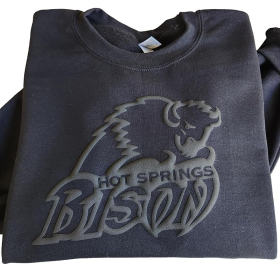
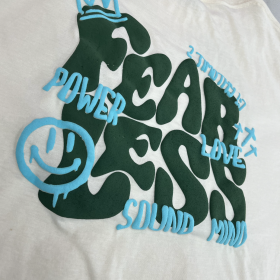
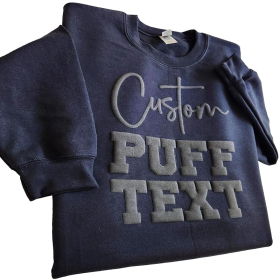
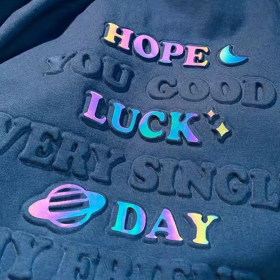
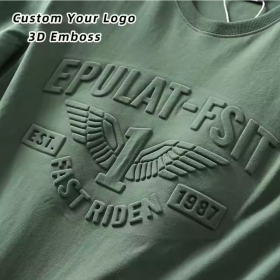
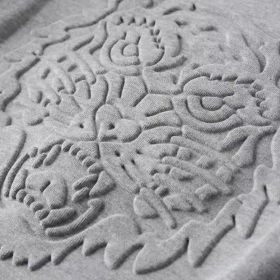
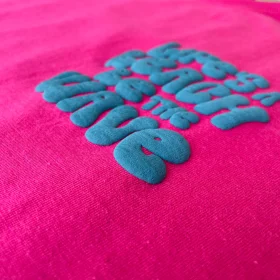
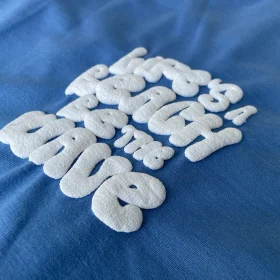
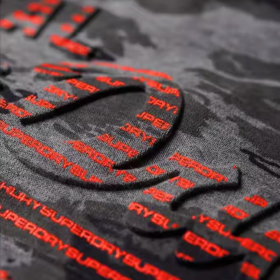
This comparison makes a lot of sense, both print styles offer a lot of definition and produce a head turning piece of custom merch. Luckily, this puts you in a win/win situation because you really can’t go wrong when it comes to these two print techniques. Both are made using plastisol ink screen printing ink the main difference being, puff ink uses an additive that is heat reactive to gain its definition. High density screen printing on the other hand, is made by the master printer making numerous passes to build up the ink. It is difficult to say one is better then the other because they are so different. Puff additive screen printing is more common in subculture fashion, like streetwear where bold styles are celebrated. High density is more understated and seen in merch done by companies wishing to create a sharp minimalist design without losing that wow factor.
Does puff print crack?
Puff print may crack over time if not cared for properly, so it’s crucial to Select The Right Color For Different Places to ensure its durability.
How durable is puff print?
Puff print is known for its durability. The raised texture not only adds visual interest but also contributes to the longevity of the design. Even after multiple washes and wears, the puff print maintains its vibrant appearance, ensuring that your custom apparel remains a lasting showcase of your style.
What fabric is best for puff print?
Here are some recommended products and fabrics: 100% Cotton: Cotton t-shirts and sweatshirts provide a smooth surface for the puff effect to stand out. Tote Bags: Canvas tote bags provide a durable and sturdy surface.
How do you heat press puff prints?
Set your iron or heat press to 320°F or 160°C. You can go up to 340°F if you want more puffy result. Place the vinyl design onto your garment at the desired location. Using HIGH PRESSURE (Very Important), heat and press the puff heat transfer vinyl design for ten seconds.
How to iron puff print shirt?
Instead, air dry the clothes or dry them in the machine on a cool setting. Avoid ironing over the puff print or embroidery as this could damage the print. If ironing is necessary, set the iron to the lowest heat and iron your cloth inside out.